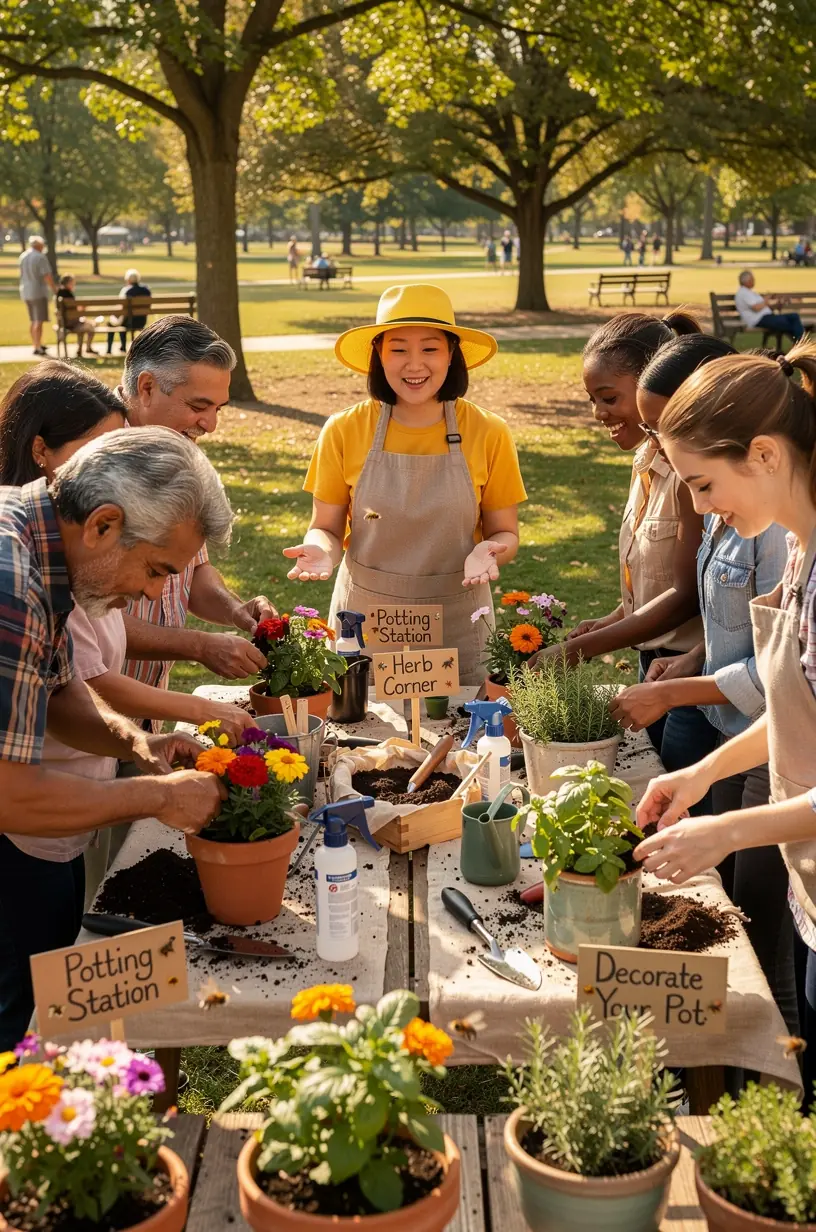
How Seasonal Workshops Enhance Botanical Knowledge
Gardening clubs across the US have increasingly focused on hosting seasonal workshops as a way to enhance members' botanical knowledge. These workshops not only provide practical skills but also foster community engagement through shared learning experiences.
Understanding the Benefits of Seasonal Workshops
According to research from the American Horticultural Society, participation in gardening workshops can help individuals develop essential skills that may lead to successful plant cultivation. Workshops are typically structured to cover a wide range of topics, from soil management to pest control, helping participants understand the complexities of their gardening endeavors.
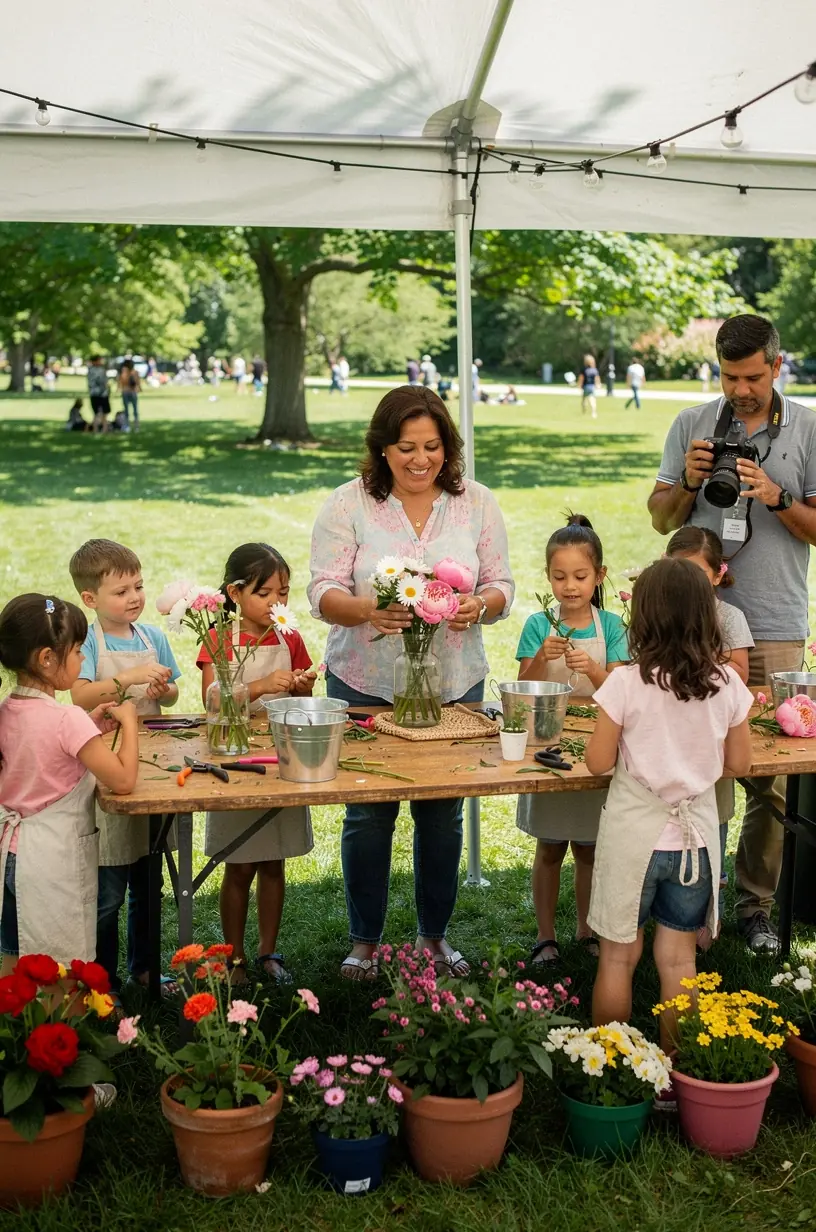
"Seasonal workshops allow gardeners to learn about plant cycles and engagement with nature, which can enhance both knowledge and appreciation for biodiversity." - Horticultural Expert
How Seasonal Workshops Improve Knowledge
Seasonal workshops often incorporate a variety of learning methodologies, which can significantly enhance understanding:
- Hands-On Learning: Many workshops provide practical, hands-on experience. Studies show that experiential learning can improve retention rates by up to 75% compared to traditional learning methods, allowing participants to apply what they learn directly in their gardens.
- Expert Guidance: Workshops are often led by experienced horticulturists or botanists. Experts recommend that community members engage with these professionals to gain insights into local plant varieties and climate conditions, which improves the likelihood of success in gardening efforts.
- Networking Opportunities: Participating in these workshops allows members to connect with like-minded individuals, fostering a sense of community. Many users report that sharing experiences and challenges with peers can lead to enhanced knowledge through collaborative problem-solving.
What to Expect from Seasonal Workshops
While participating in seasonal workshops can be highly beneficial, it’s essential to set realistic expectations:
- Time Commitment: Workshops typically last from 1 to 3 hours, depending on the complexity of the topic. Some may also offer follow-up sessions for deeper exploration.
- Learning Curve: For those new to gardening, some workshops may involve a learning curve. It’s advisable to approach these sessions with an open mind and willingness to learn.
- Resource Availability: Participants should come prepared to take notes and ask questions. Engaging with the material can lead to a richer learning experience.
Conclusion
In summary, seasonal workshops offered by gardening clubs can significantly enhance botanical knowledge, making them a valuable resource for both novice and experienced gardeners. By participating in these events, individuals not only gain practical skills but also contribute to a vibrant gardening community. Engaging in such educational opportunities can foster a lifelong appreciation for gardening, ultimately benefiting both personal and ecological well-being.
Learn More