How to Create a Welcoming Environment in Gardening Clubs
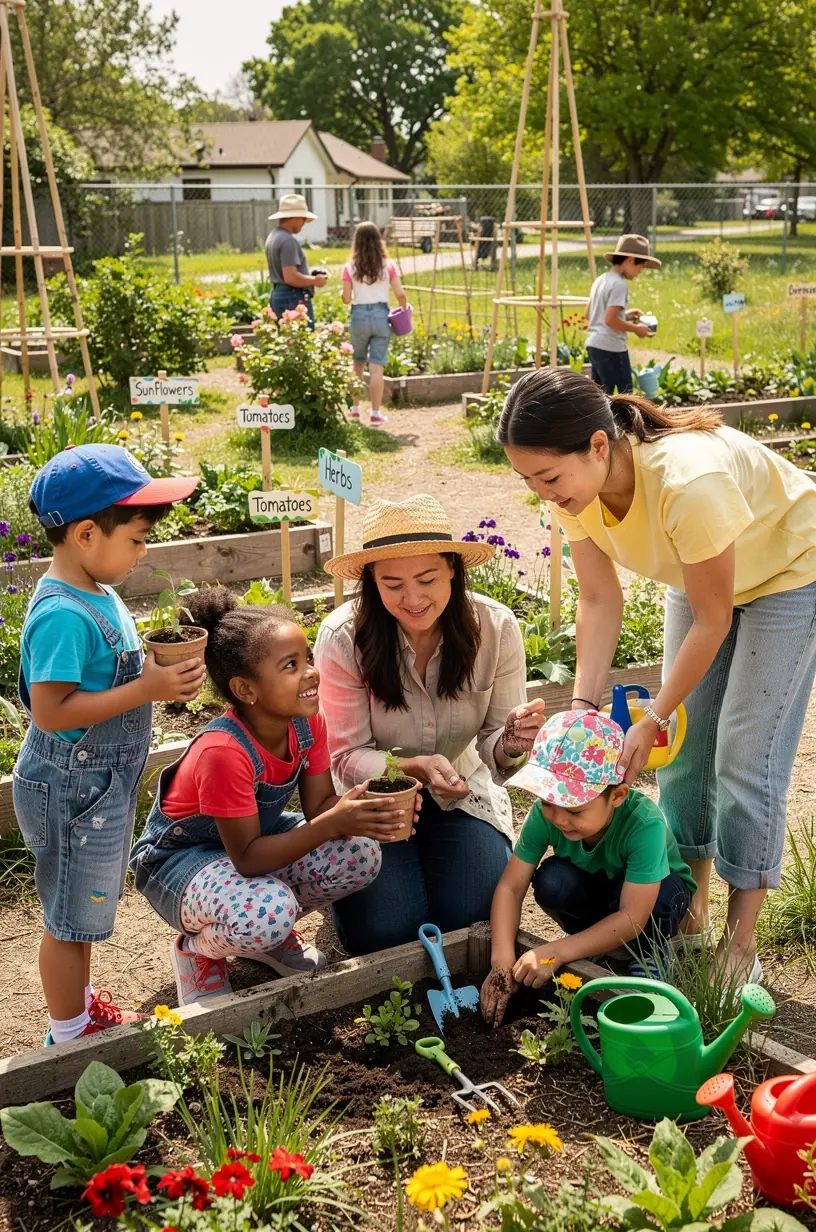
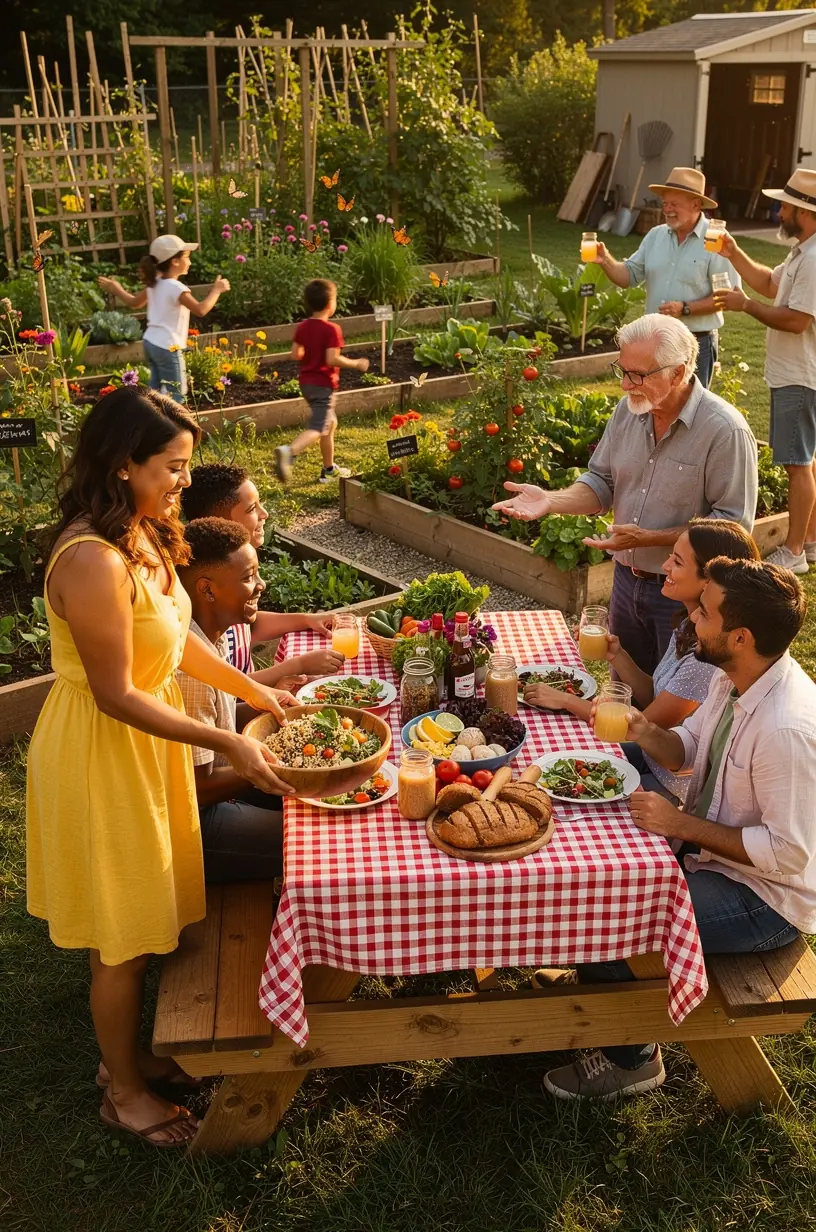
Gardening clubs provide a wonderful opportunity for enthusiasts to connect and share their passion for plants. Creating a welcoming environment is essential for fostering community, encouraging participation in seasonal workshops, and enhancing plant exchange events. This article explores effective strategies to cultivate an inviting atmosphere that can benefit all members, particularly in the context of gardening clubs across the U.S.
Understanding the Importance of a Welcoming Environment
Creating a welcoming environment is crucial because it encourages participation and engagement among members. According to research, clubs that prioritize inclusivity often see increased attendance in events, with members reporting a sense of belonging. This environment can be achieved through thoughtful design and deliberate practices that cater to diverse interests and backgrounds.
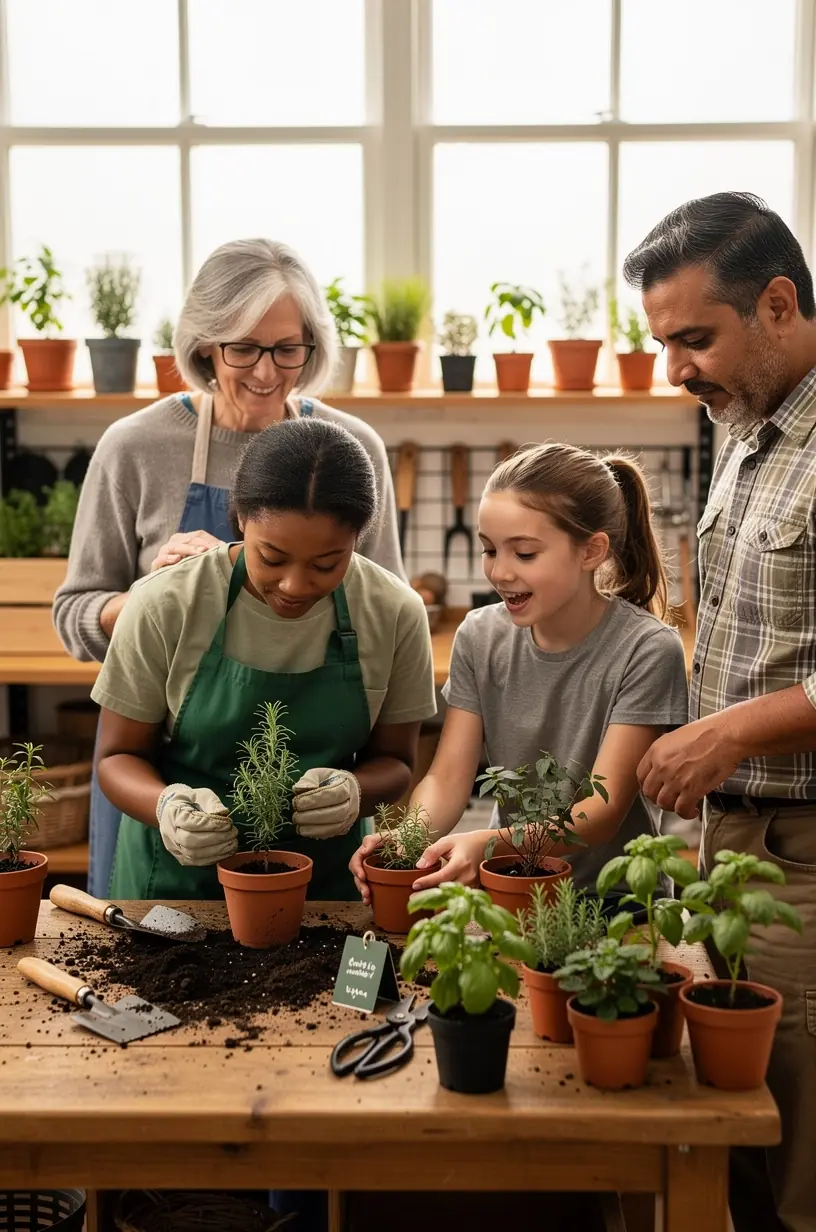
"Welcoming spaces promote community building and can enhance the overall success of gardening clubs," says community engagement expert Dr. Jane Thompson.
Strategies for Creating a Welcoming Atmosphere
Here are several practical strategies to create a welcoming environment in gardening clubs:
- Inclusive Design: Ensure that meeting spaces are accessible and accommodating for all members, including those with disabilities. Experts recommend designing spaces that can comfortably host small and large groups alike.
- Community Engagement: Actively seek feedback from members about their needs and preferences. This may involve surveys or informal discussions. Many users report that when their ideas are valued, they feel more invested in the club's activities.
- Shared Resources: Create a resource library that members can contribute to and borrow from. This can include gardening books, tools, and seeds. Studies show that shared resources foster collaboration and a sense of ownership within the group.
Seasonal Workshops and Events
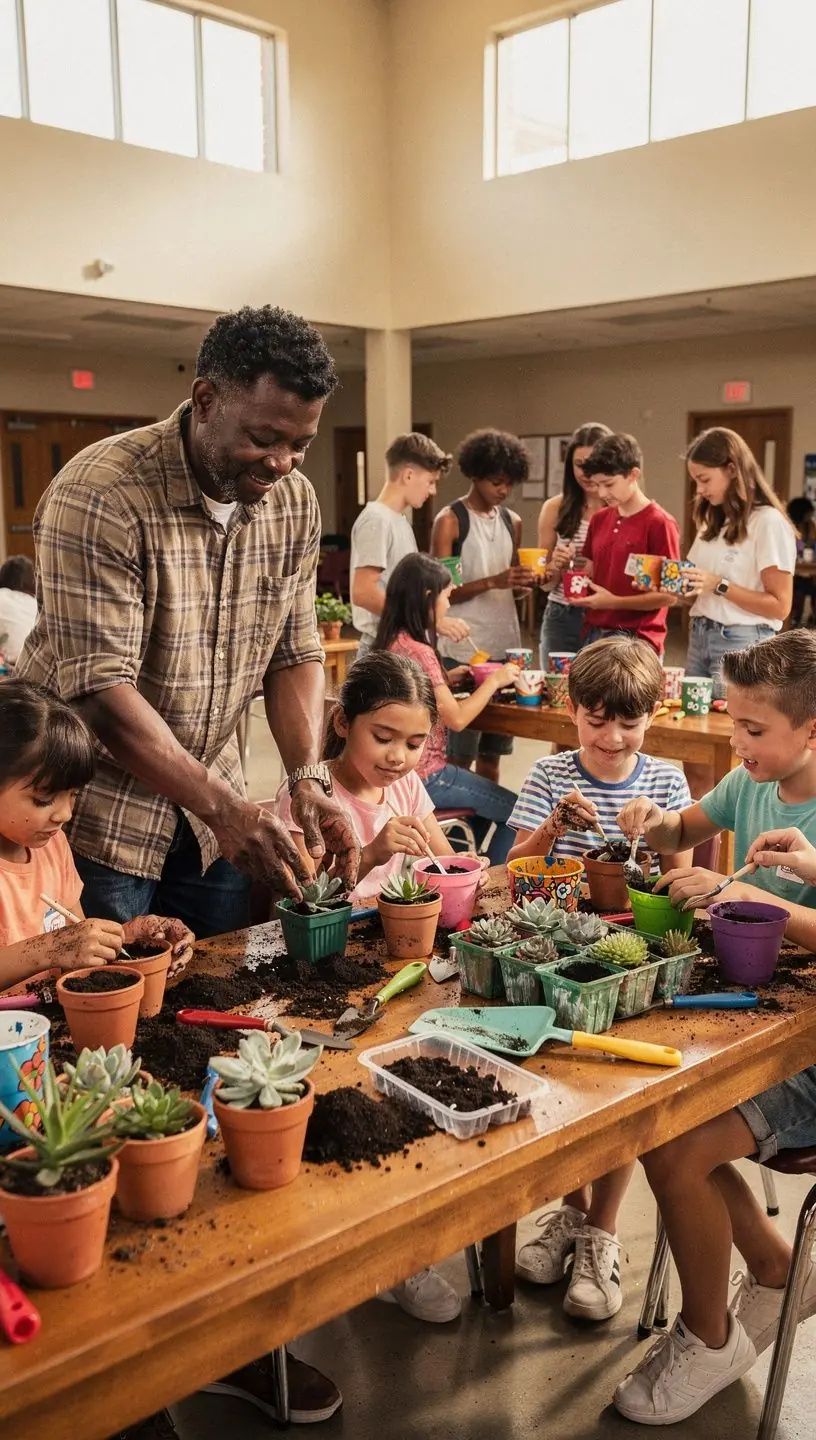
Organizing seasonal workshops is a fantastic way to engage members and attract new participants. Here are some tips for effective event planning:
- Variety in Topics: Offer a range of workshop topics that cater to different skill levels and interests, from beginner gardening techniques to advanced landscape design. This approach can help in attracting a broader audience.
- Networking Opportunities: Include time for social interaction within the workshops. According to experts, informal networking can significantly enhance member satisfaction and encourage collaborations.
- Feedback Mechanism: After each event, gather feedback to understand what worked and what can be improved. This not only helps in refining future events but also shows members that their opinions are valued.
Plant Exchange Events
Plant exchange events are popular among gardening clubs and can further enhance community ties. To create a successful plant exchange, consider the following:
- Clear Guidelines: Set clear guidelines for plant exchanges, including regulations on plant health and identification. This ensures a smooth process and maintains trust among members.
- Encourage Sharing Stories: Allow members to share the history of their plants. This personal touch can create connections and enrich the community experience.
- Host Informal Q&A Sessions: Organize short sessions where members can ask questions about the plants being exchanged. This helps foster an educational atmosphere and encourages participation.
Conclusion
Creating a welcoming environment in gardening clubs involves a combination of thoughtful design, community engagement, and structured activities. By implementing these strategies, clubs can cultivate a sense of belonging that enhances participation in workshops and plant exchanges. Remember, fostering a supportive atmosphere typically requires ongoing dedication and feedback from members, ensuring that the club evolves alongside its community.