Exploring Different Types of Gardening Workshops
Gardening clubs across the US are increasingly offering a variety of workshops to engage their members and enhance their skills. These workshops provide practical knowledge and hands-on experience, making them a valuable resource for both novice and experienced gardeners. In this article, we explore the different types of gardening workshops available, their benefits, and what participants can typically expect.
Types of Gardening Workshops
Gardening workshops can vary widely in focus and format. Here are some common types:
- Seasonal Workshops: These workshops are typically organized around the changing seasons, focusing on activities such as spring planting, summer maintenance, fall harvesting, and winter preparation. According to research by the American Society for Horticultural Science, seasonal workshops can significantly enhance participants’ knowledge about best practices for each growing period.
- Specialized Skill Workshops: These workshops often concentrate on specific gardening skills such as composting, pruning, or pest management. Experts recommend these workshops for gardeners looking to refine their techniques, as they often provide targeted feedback and practical demonstrations.
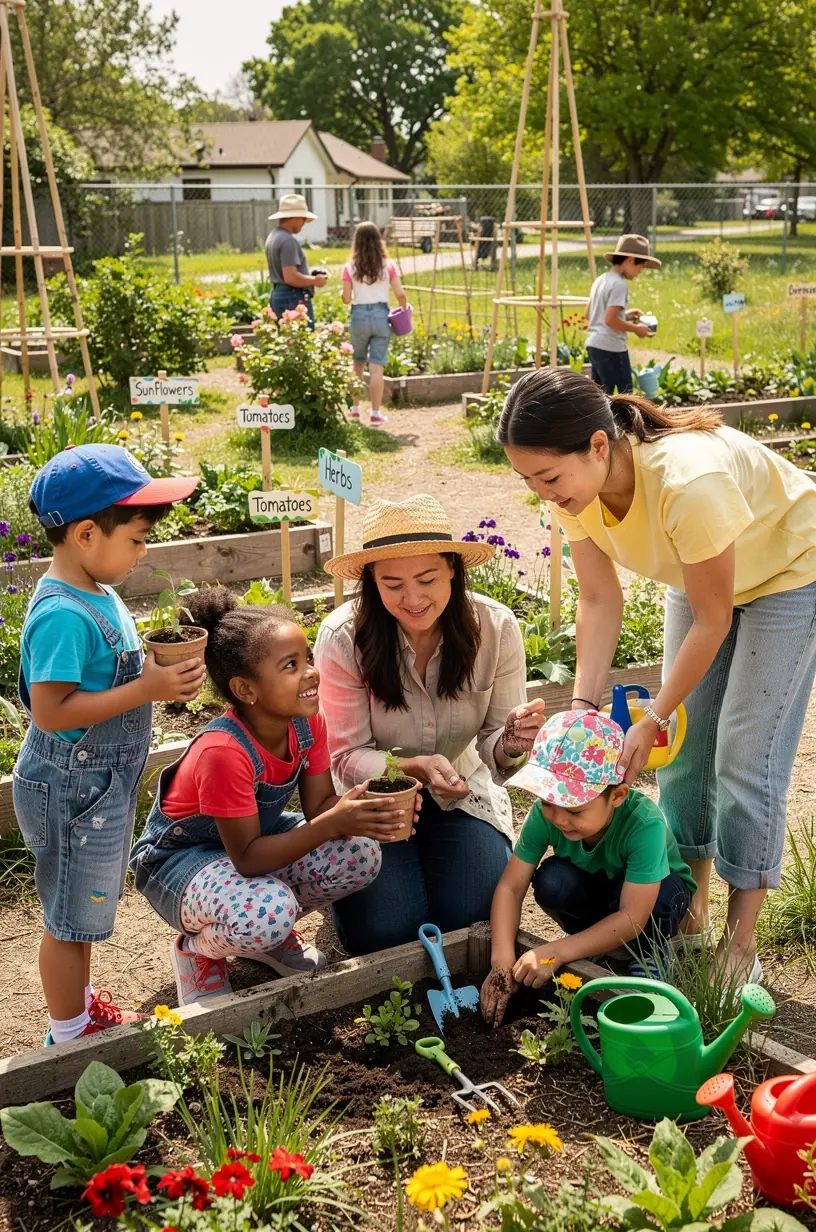
- Community Gardening Workshops: Many gardening clubs organize workshops that focus on community gardening initiatives. These events foster collaboration and connectivity among neighbors while promoting sustainable practices.
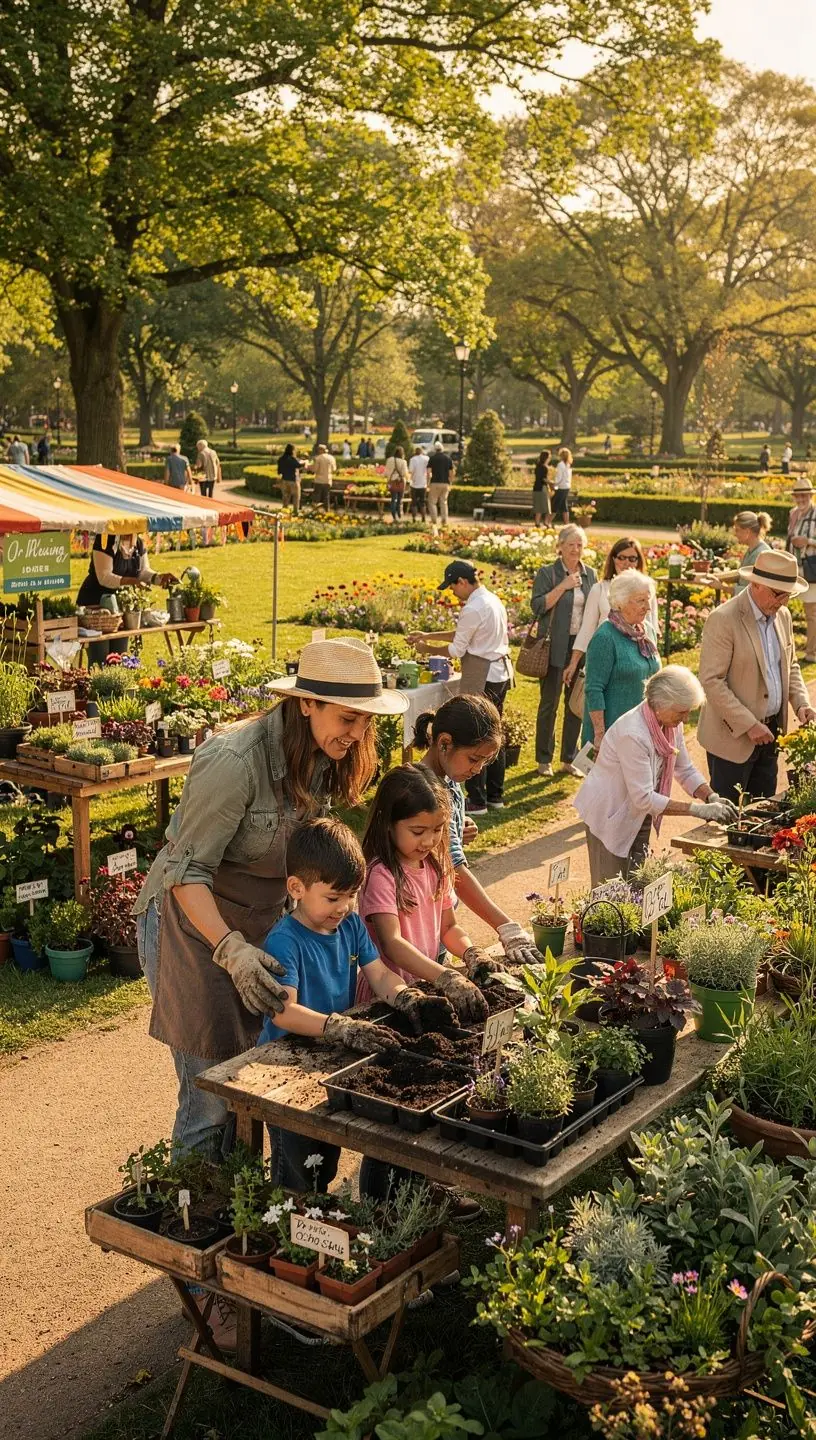
- Plant Exchange Events: Although not strictly workshops, these events often include educational components where participants can learn about various plants and gardening techniques while exchanging plants with others.
Benefits of Participating in Workshops
Engaging in gardening workshops comes with numerous benefits:
- Hands-On Learning: Workshops typically provide a practical component, allowing participants to apply what they learn in real-time, which studies show can improve retention of information by as much as 25% compared to theoretical learning.
- Networking Opportunities: Joining workshops can help you meet fellow gardening enthusiasts, fostering a sense of community. Many users report that these connections lead to ongoing support and knowledge sharing.
- Access to Expert Knowledge: Experienced gardeners or horticulturalists often lead workshops. Their insights can provide participants with unique perspectives and techniques that may not be accessible through traditional gardening resources.
What to Expect from a Gardening Workshop
While each workshop may vary, participants can generally expect the following:
- Duration: Most workshops last between 1 to 3 hours, depending on the topic and structure.
- Materials: Participants may need to bring certain materials, although many clubs provide essential tools and plants for hands-on activities.
- Pre-requisites: Some workshops may require prior knowledge or experience, particularly specialized skill workshops. It's advisable to check with the organizers beforehand.
- Follow-Up Resources: Many workshops provide additional resources or materials for further learning. This could include handouts, links to online content, or access to a community forum.
"Participating in gardening workshops not only enhances your skills but also enriches your gardening experience by connecting you with a community of like-minded individuals." - Gardening Enthusiast
Conclusion
Gardening workshops offer a fantastic opportunity to expand your knowledge, meet new people, and enhance your gardening skills. By understanding the various types of workshops available and their benefits, you can make informed decisions on which events to attend. Remember, successful gardening often requires ongoing learning and adaptation, and workshops can be a pivotal part of that journey.
Learn More