The Benefits of Having Physical Spaces for Gardening Clubs
Gardening clubs have historically fostered community engagement and environmental education. However, having a dedicated physical space enhances their effectiveness significantly. This article explores the multifaceted benefits of physical locations for gardening clubs, particularly in the United States.
Creating a Sense of Community
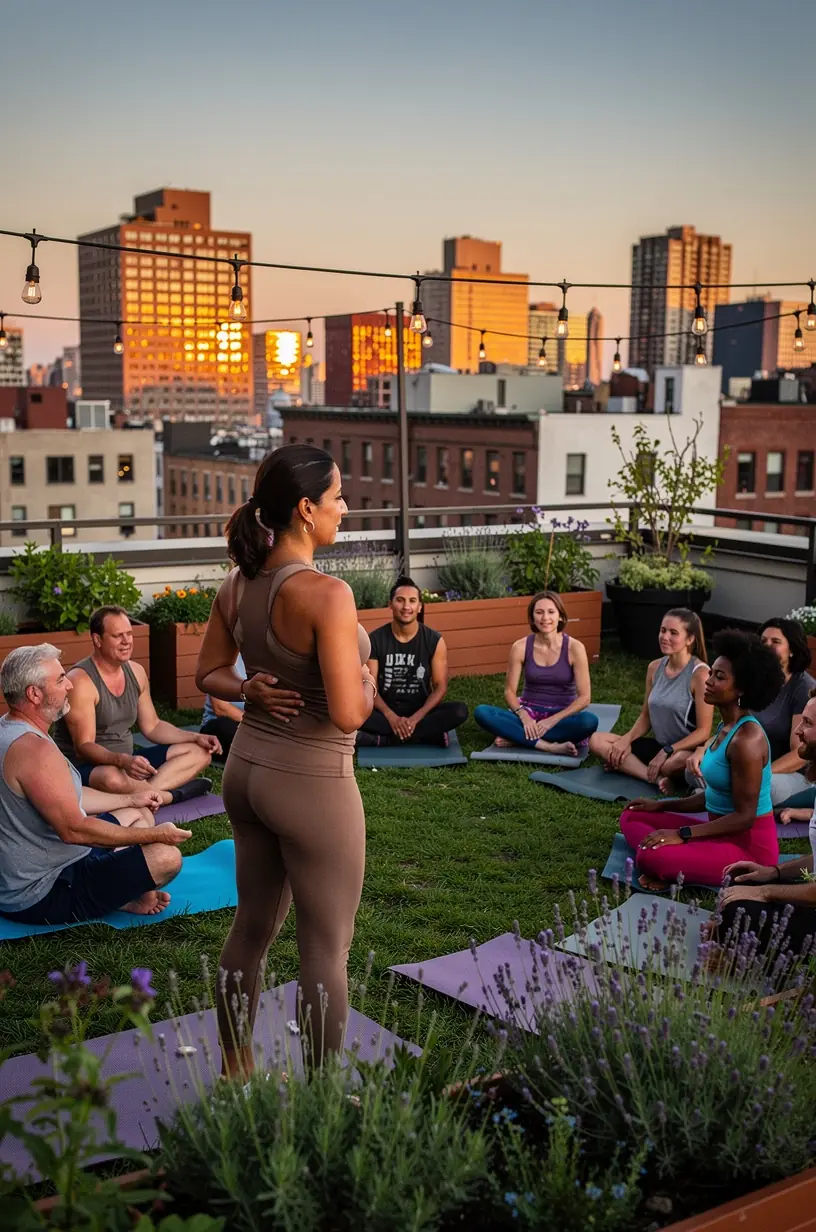
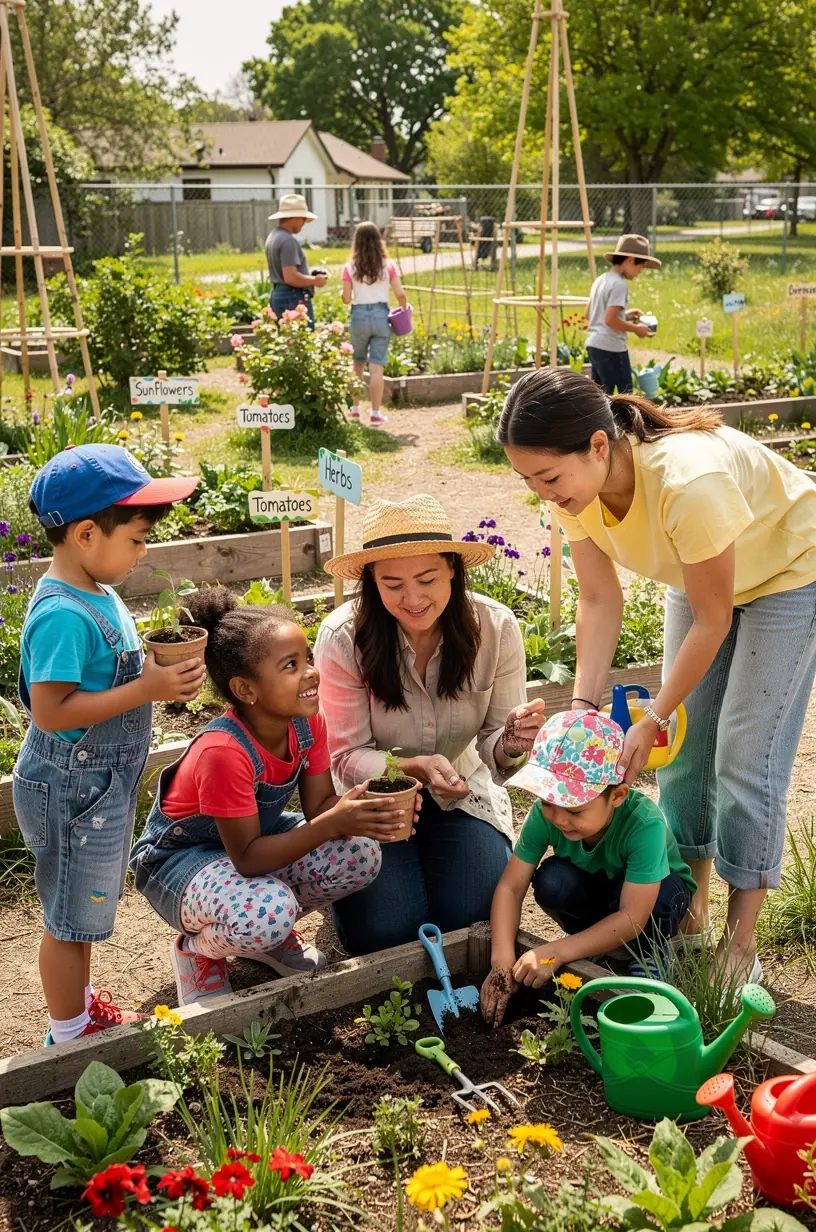
Physical spaces for gardening clubs typically serve as hubs where members can interact, share experiences, and cultivate friendships. According to a study by the American Community Garden Association, community gardening initiatives often result in increased social cohesion among participants, which is essential for fostering long-term engagement.
"Research indicates that community gardens can significantly enhance social ties, creating networks that benefit both individuals and neighborhoods."
Facilitating Seasonal Workshops
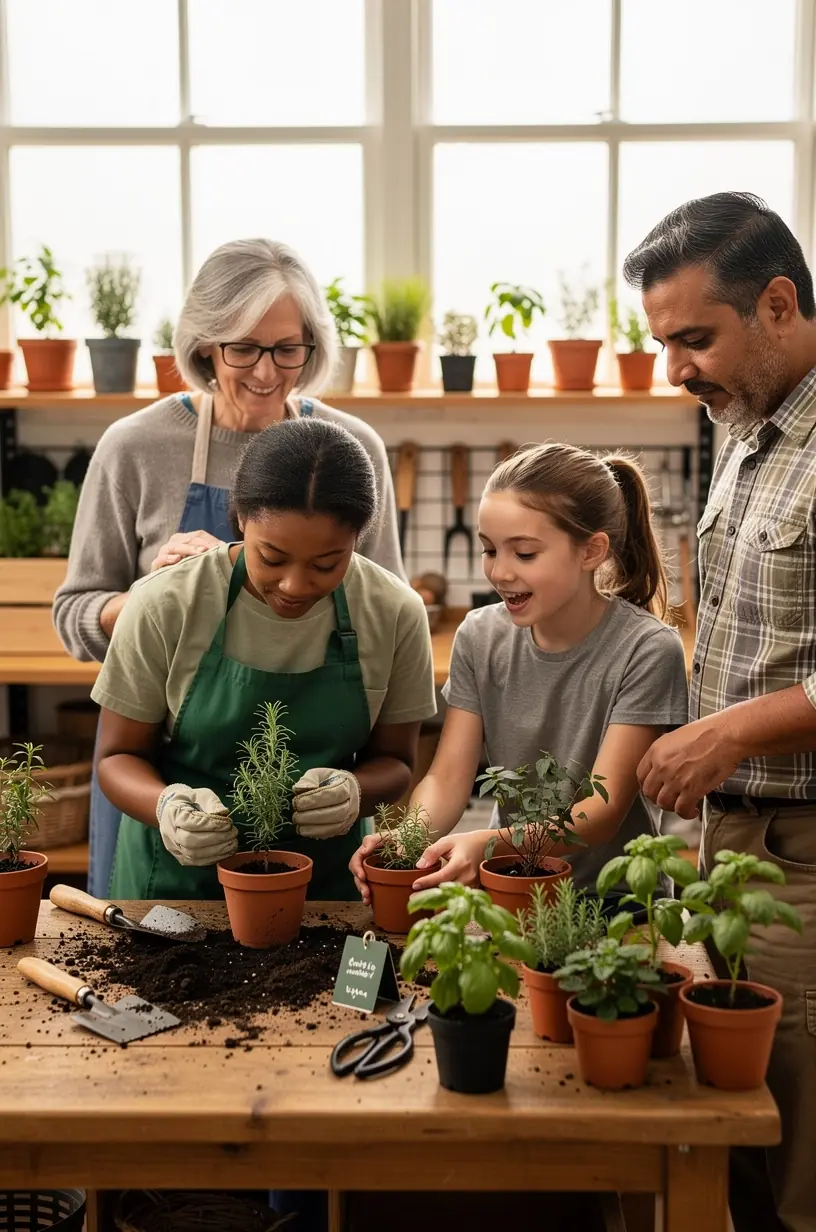
One of the key advantages of a physical gardening club is the ability to host seasonal workshops. These workshops can cover a variety of topics, including:
- Plant Care Techniques: Members can learn about specific plant care practices that are suitable for their local climate.
- Soil Health: Workshops can focus on soil testing and amendment techniques, which are crucial for successful gardening.
- Companion Planting: Educating members on how to strategically plant different species together can improve garden yields.
Experts recommend that these workshops should ideally be hands-on, as practical experience often leads to better retention of knowledge. However, it's important to note that these workshops typically require a commitment of time, often spanning several hours to a full day.
Encouraging Plant Exchange Events
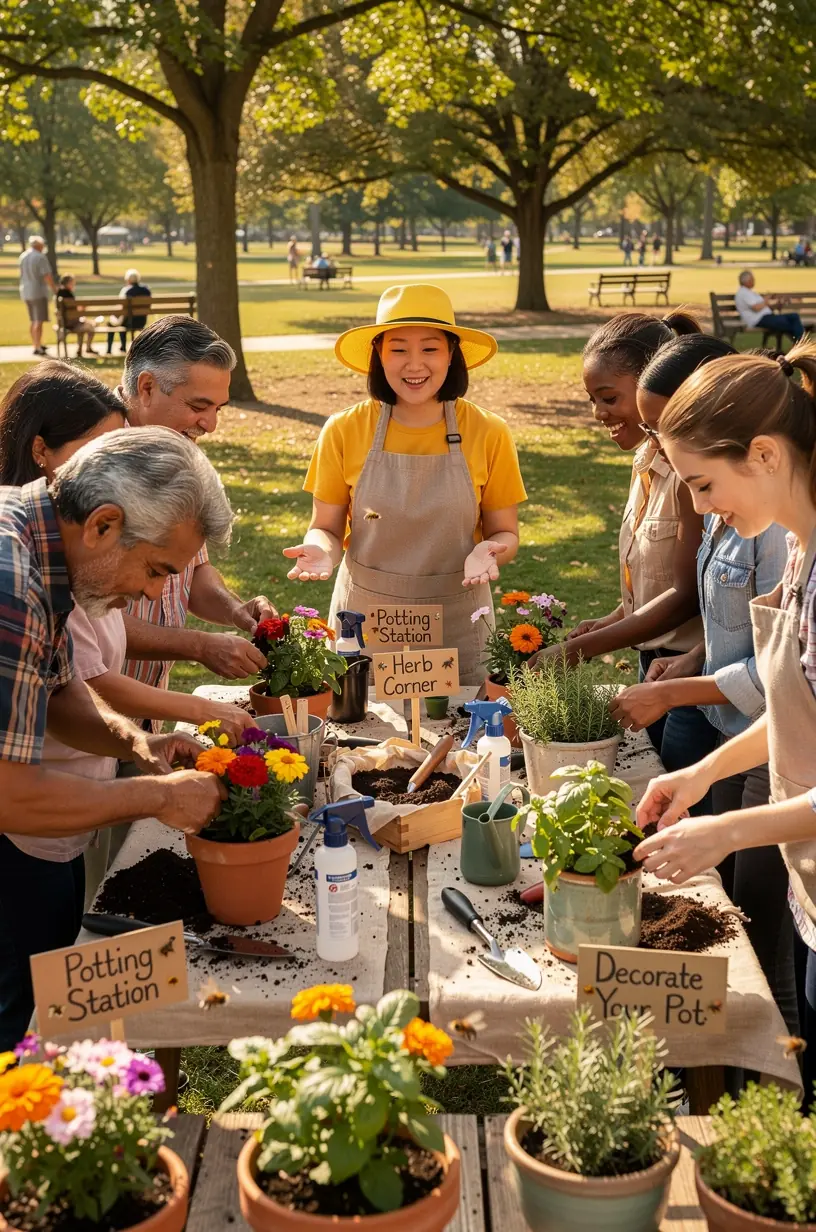
Another significant benefit of having a physical space is the ability to organize plant exchange events. These events can:
- Promote Biodiversity: Participants can share plants that thrive in their gardens, helping to diversify local flora.
- Reduce Costs: Members can acquire new plants without significant financial investment, promoting sustainable gardening practices.
- Foster Knowledge Sharing: Experienced gardeners can provide insights on plant care specific to the exchanged species.
In most cases, these events not only enhance the gardening experience but also contribute to a sense of belonging among members. Organizing such events typically requires some planning, such as setting up a suitable venue and determining the logistics of plant exchanges.
Providing Educational Resources
A dedicated space can also serve as a repository for gardening resources. Clubs can maintain a library of books, magazines, and tools that members can use. According to industry standards, having access to educational materials enhances the learning curve for novice gardeners, who often report feeling more empowered after gaining access to reliable information.
"Studies show that access to educational resources within community spaces can lead to increased confidence and competence in gardening practices."
Conclusion
Having a physical space for gardening clubs provides numerous advantages, including fostering community bonds, facilitating educational workshops, and promoting sustainable practices through plant exchanges. While establishing such a space requires dedication and commitment, the potential benefits for members and the community at large can be substantial. As gardening continues to grow in popularity, clubs that focus on creating welcoming physical environments will likely see greater participation and success in their initiatives.
Learn More