Understanding the Role of Gardening Clubs in Community Building
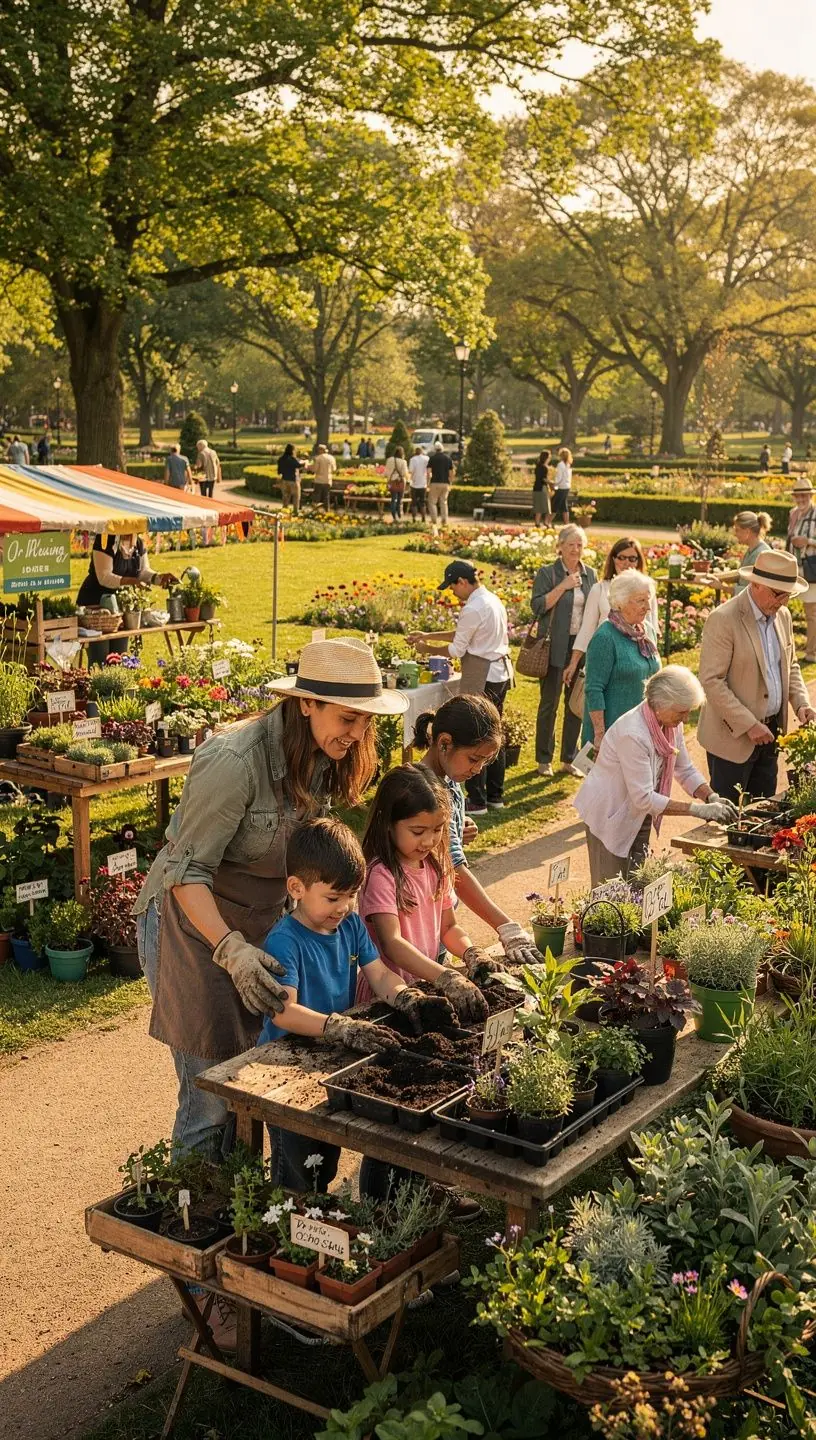
Gardening clubs serve as vital hubs for fostering community connections, offering opportunities for education, collaboration, and social interaction. In this article, we will explore how these clubs contribute to community building, the benefits they provide, and how they can enhance both personal and collective well-being.
The Importance of Gardening Clubs
Gardening clubs typically act as community focal points, bringing together individuals with a shared interest in horticulture. According to research, participation in community organizations like gardening clubs can improve social ties and support networks, which are crucial for community resilience. Experts suggest that these clubs often lead to stronger community bonds as members collaborate on projects and share resources.
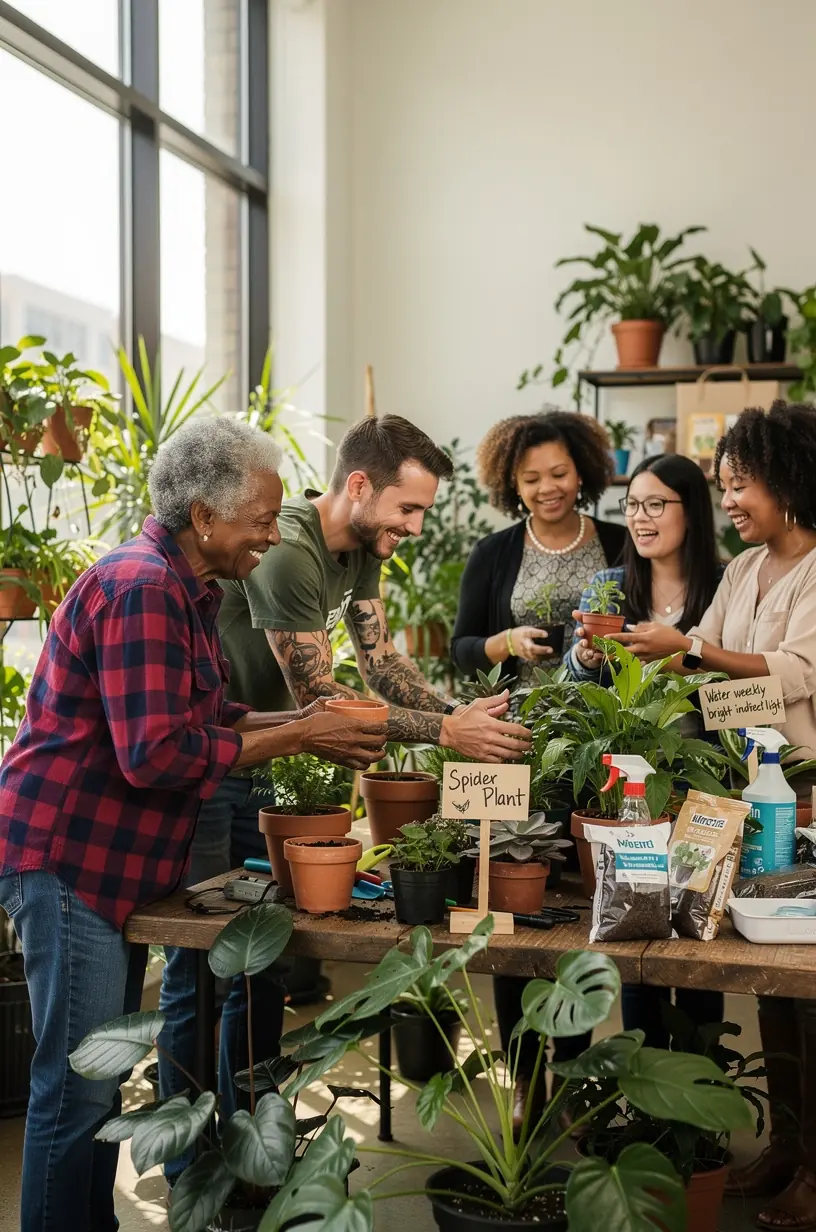
"Gardening clubs not only beautify neighborhoods but also cultivate friendships and build community spirit." - Community Development Expert
Educational Workshops and Skill Development
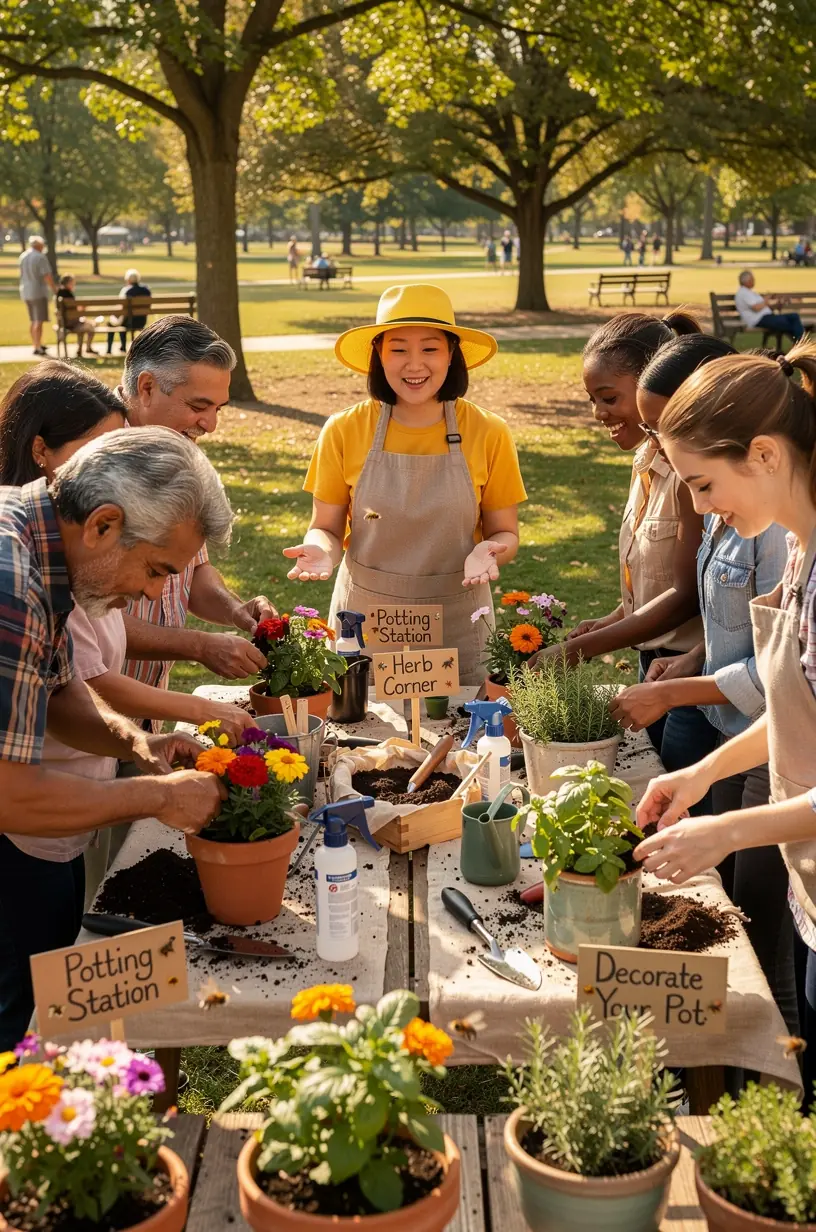
Many gardening clubs offer seasonal workshops and classes that cover a range of topics, from basic plant care to advanced landscaping techniques. These workshops are typically designed to cater to various skill levels, ensuring that both novice and experienced gardeners can benefit.
- Workshop Variety: Clubs often provide a diverse array of topics, such as organic gardening, pest control, and sustainable practices, which can significantly enhance participants' gardening skills.
- Community Knowledge Sharing: Members frequently share their own experiences and tips, fostering an environment of collaborative learning.
- Hands-On Experience: Many workshops involve practical activities, allowing participants to apply what they learn in real-time, which is often reported to increase retention and enjoyment.
Plant Exchange Events: Building Connections
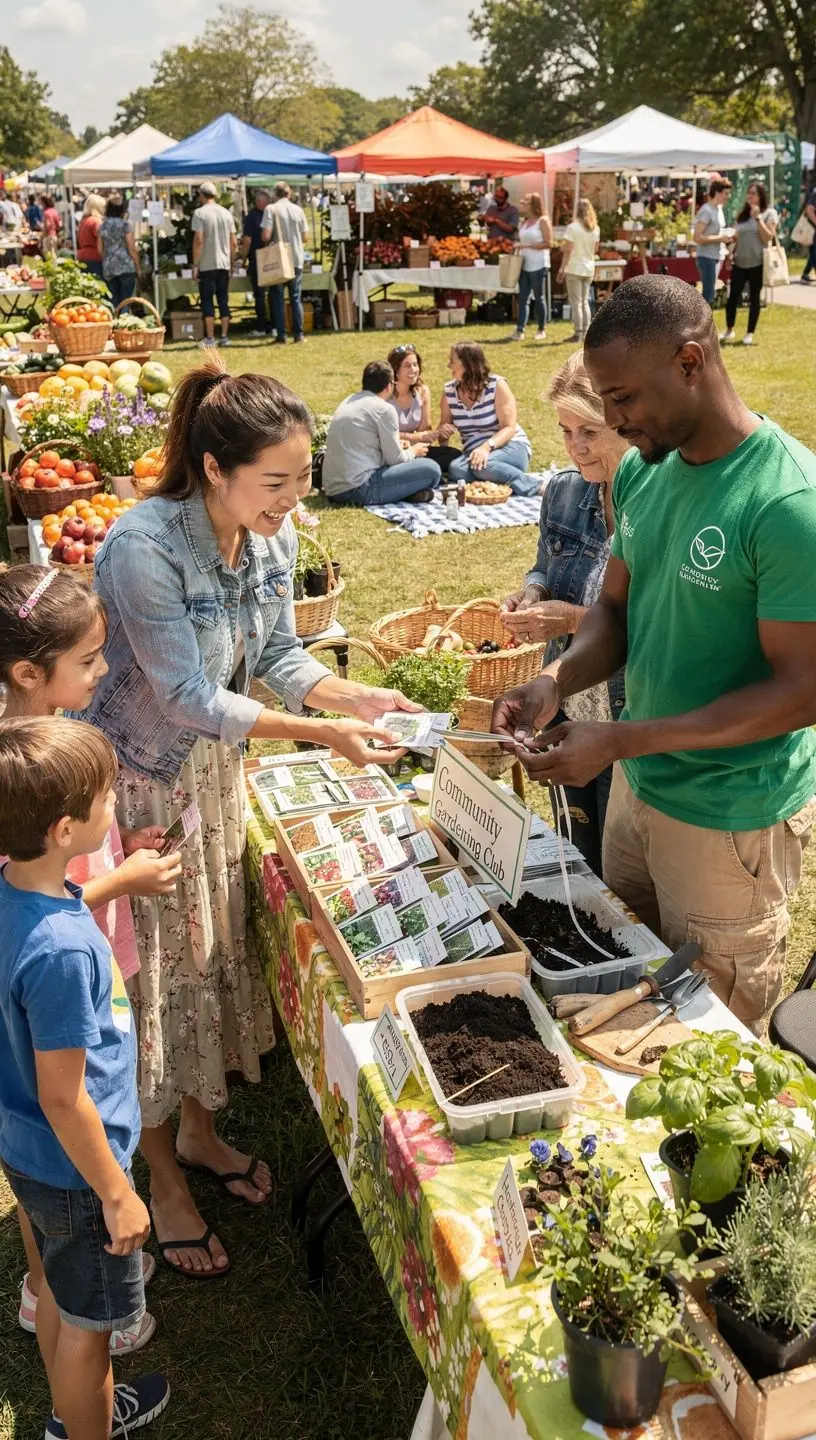
Another popular feature of gardening clubs is the organization of plant exchange events where members can trade plants, seeds, and other gardening supplies. This practice not only promotes biodiversity but also enhances community interaction. Studies show that participating in such exchanges can lead to a greater sense of belonging and community identity.
- Encouraging Biodiversity: By exchanging plants, members contribute to a diverse ecosystem while gaining access to unique plant varieties.
- Networking Opportunities: These events create opportunities for members to meet new people, fostering relationships that can extend beyond gardening.
- Resource Sharing: Clubs facilitate the sharing of gardening tools and resources, which can reduce costs and improve access for all members.
Challenges and Considerations
While gardening clubs offer many benefits, participating typically requires a commitment of time and effort. Members should be prepared to dedicate time not only to gardening but also to attending meetings and events. This involvement can vary from a few hours a month to several hours a week, depending on the club's activities and individual goals.
Additionally, clubs may not be suitable for everyone, particularly those with limited time or physical mobility issues. However, many clubs are increasingly adopting inclusive practices to accommodate a wider range of abilities and schedules.
Conclusion
Gardening clubs play an essential role in community building by promoting social interaction, educational opportunities, and resource sharing. They can significantly enhance the quality of life for individuals while fostering a sense of belonging and community spirit. If you’re considering joining a gardening club, be prepared to engage actively and embrace the learning journey that comes with it. Whether through workshops, plant exchanges, or shared gardening projects, the rewards often extend far beyond the garden itself.
Learn More