Practical Guide to Organizing Plant Exchange Events
Organizing a plant exchange event can be a rewarding way to bring gardening enthusiasts together. This guide offers practical insights into planning and executing a successful event that fosters community and encourages sustainable gardening practices.
Understanding the Basics of Plant Exchange Events
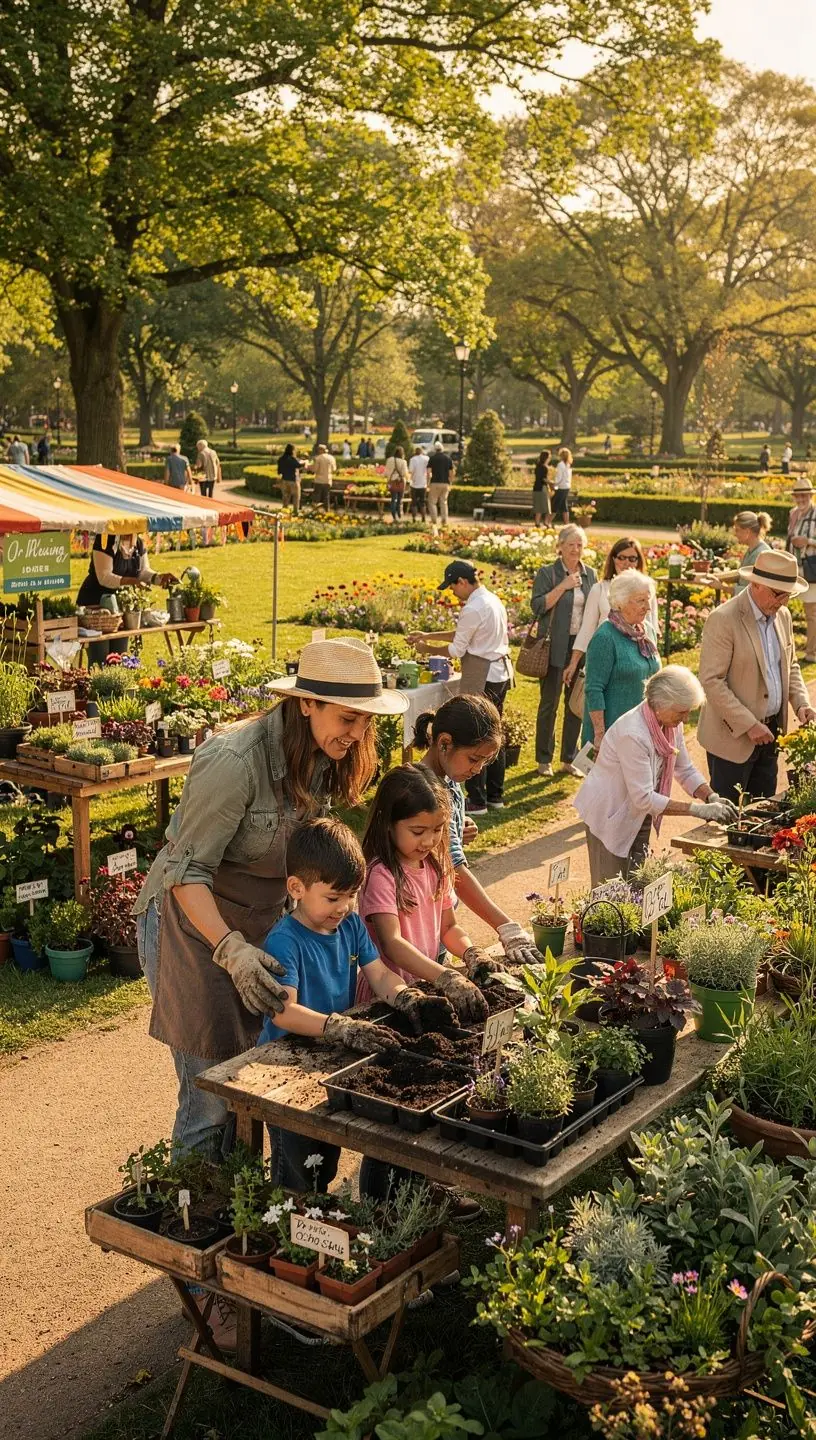
Plant exchange events, also known as plant swaps, typically offer participants the chance to trade excess plants, seeds, and gardening supplies with one another. According to research from the American Community Gardening Association, such events not only support biodiversity but also promote community engagement and education in gardening techniques.
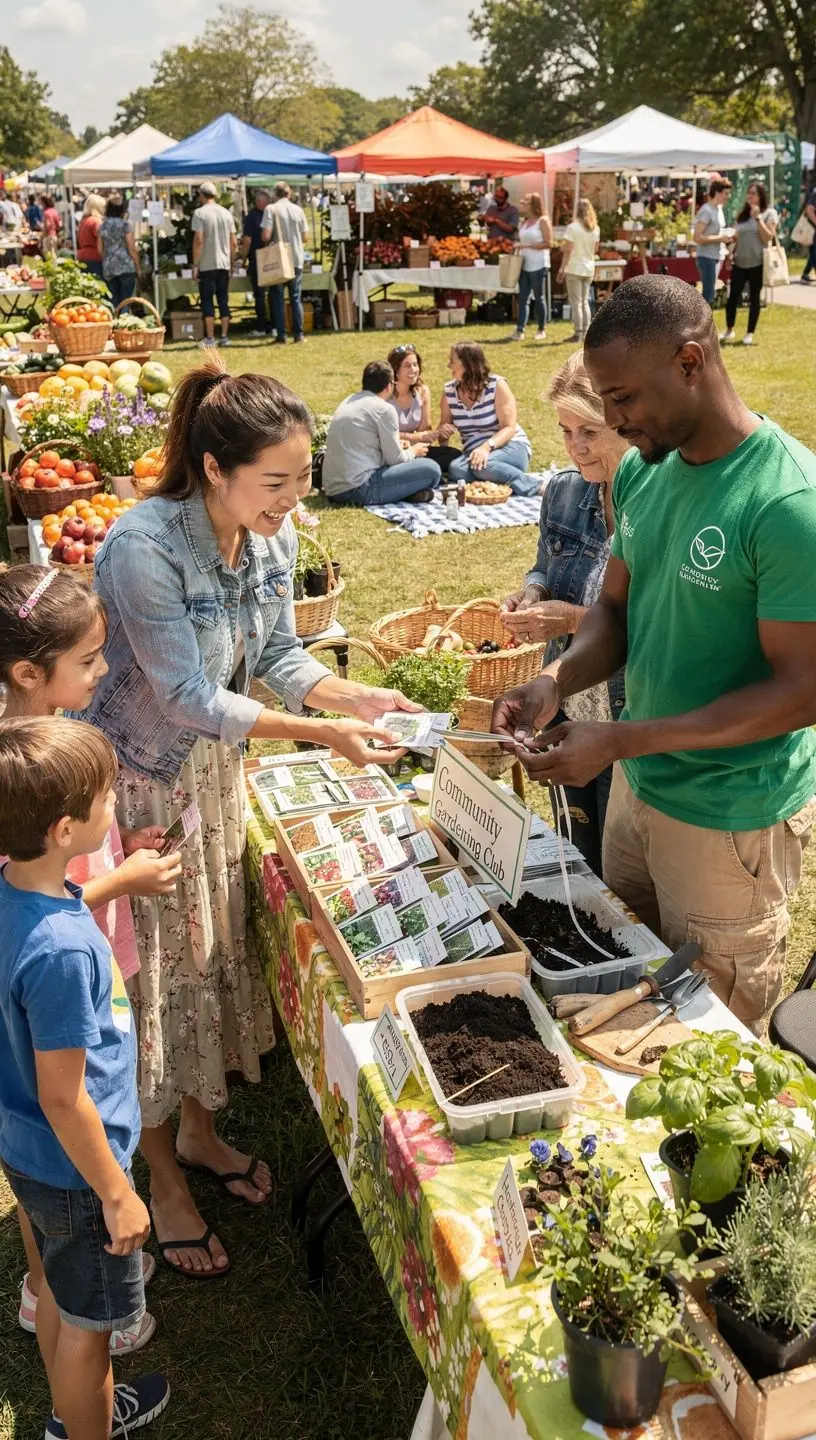
"Participating in plant exchanges increases community cohesion and provides opportunities for knowledge sharing among gardeners." - Gardening Expert
Steps to Organize a Successful Plant Exchange Event
Planning an effective plant exchange requires careful consideration. Here are some actionable steps to guide you through the process:
- Set a Date and Venue: Choose a date that does not conflict with major local events. Community centers, parks, or even member backyards often serve as suitable venues.
- Promote the Event: Use social media, community bulletin boards, and local gardening clubs to spread the word. Research indicates that event promotion can increase attendance by 30-50%.
- Establish Guidelines: Clearly communicate what participants can bring to exchange, including plants, seeds, tools, and potting soil. Including guidelines on plant health is crucial to avoid the spread of pests and diseases.
- Prepare for Logistics: Ensure you have enough tables, signage, and materials for labeling plants. Providing refreshments can enhance the experience, as studies show that social interactions boost participant satisfaction.
- Facilitate Knowledge Sharing: Consider hosting workshops or Q&A sessions to educate participants on plant care, propagation techniques, and pest management strategies. This kind of engagement can enhance the value of the event.
What to Expect After the Event
After the event, it’s important to reflect on the experience. Gathering feedback can help improve future events. Typically, hosting a plant exchange requires a time commitment of 2-4 weeks for planning and preparation.
Many users report that they not only leave with new plants but also with valuable knowledge and connections to fellow gardening enthusiasts. This community aspect is what makes plant exchanges more than just a trade; they become a learning experience.
Conclusion
Organizing a plant exchange event can be a fulfilling way to promote gardening and strengthen community ties. By following the steps outlined above and being mindful of the effort involved, you can create an engaging and successful event that participants will look forward to in the future. Remember, fostering a sense of community is often as important as the plants themselves.
Learn More