The Importance of Collaborative Gardening Projects
Collaborative gardening projects are not only a way to beautify a community but also serve as a vital means of fostering relationships among gardeners, sharing knowledge, and creating sustainable practices. In the context of gardening clubs with physical spaces, seasonal workshops, and plant exchange events, these projects exemplify the power of teamwork and cooperation.
Understanding the Basics
The principle behind collaborative gardening projects is rooted in the idea that community engagement fosters better gardening practices and yields. According to research from the American Community Gardening Association, communities with active gardening groups often report enhanced social bonds and improved mental well-being. This is largely attributed to the shared goals and teamwork involved.
"Community gardening can significantly enhance social connectedness and mental health, as supported by various studies in psychology." - Community Gardening Research Journal
Benefits of Collaborative Gardening
Participating in a collaborative gardening project can offer numerous advantages:
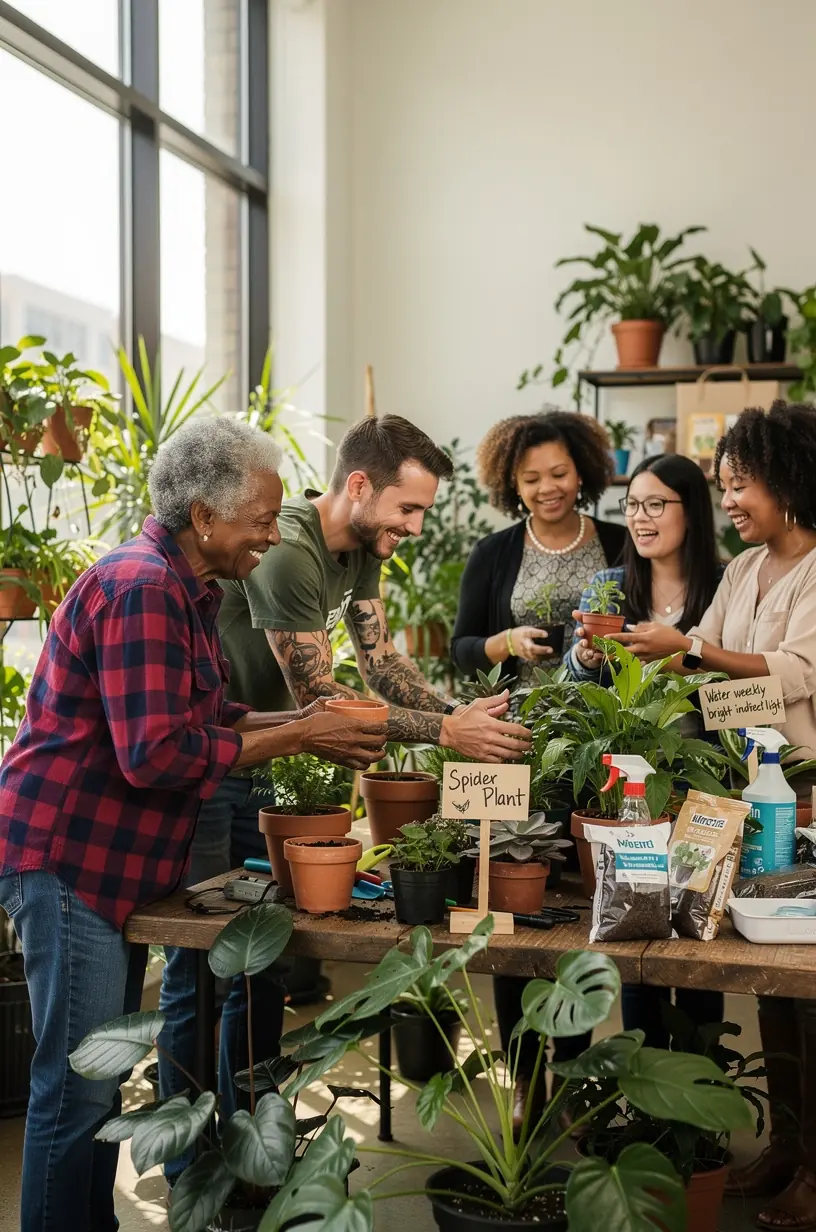
- Knowledge Sharing: Members often possess varied levels of expertise, and sharing tips and techniques can lead to improved gardening skills for everyone involved. Research indicates that peer-led learning can enhance the retention of gardening knowledge.
- Resource Efficiency: Collaborating with others enables participants to share tools and resources, which can help reduce costs and improve accessibility. This practice is especially useful in areas where access to gardening supplies is limited.
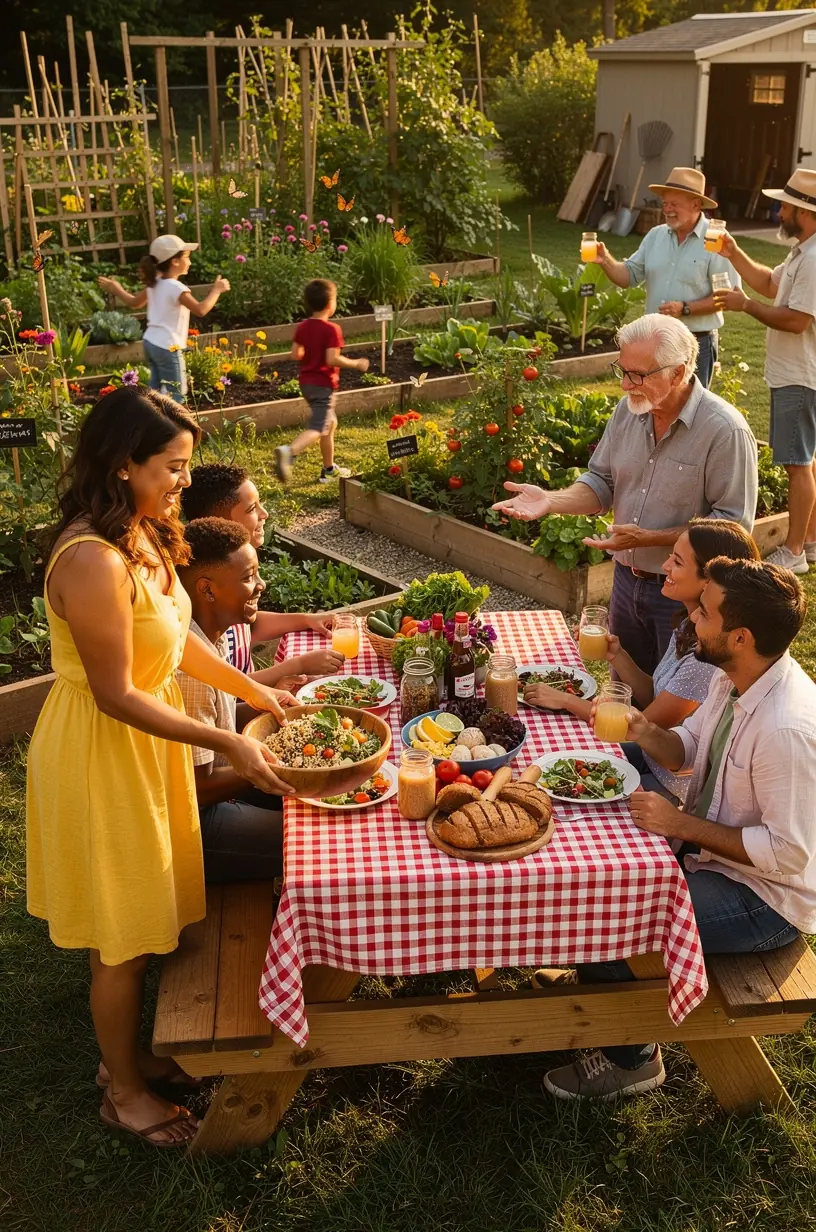
- Enhanced Community Ties: Many participants report feeling a sense of belonging and community through shared gardening experiences. This social interaction can lead to lasting friendships and a supportive network.
How to Get Involved
Getting involved in collaborative gardening projects typically requires a few steps:
- Find a Local Garden Club: Look for gardening clubs in your area that organize collaborative projects. Websites such as CommunityGarden.org can help locate nearby opportunities.
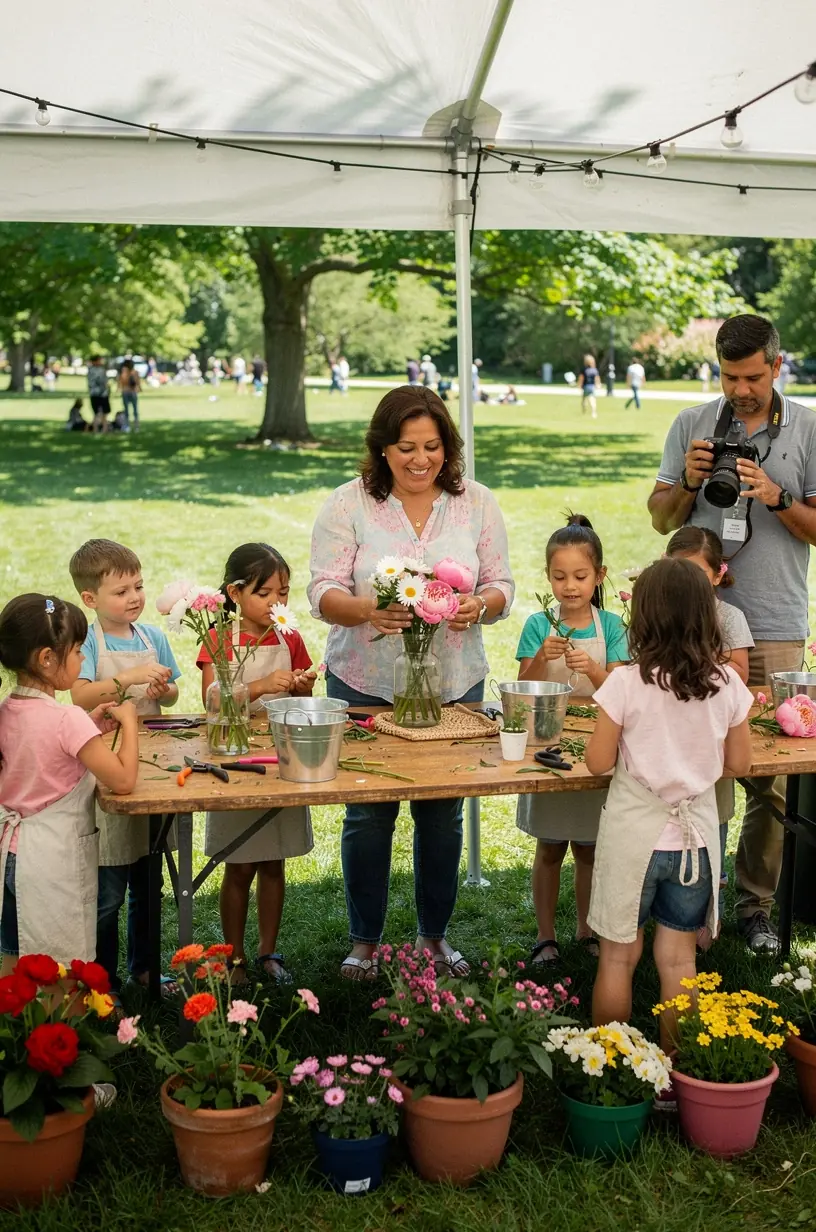
- Attend Workshops: Participating in seasonal workshops can provide valuable skills and knowledge. Many clubs offer workshops on various topics, from organic gardening to sustainable practices, typically lasting a few hours.
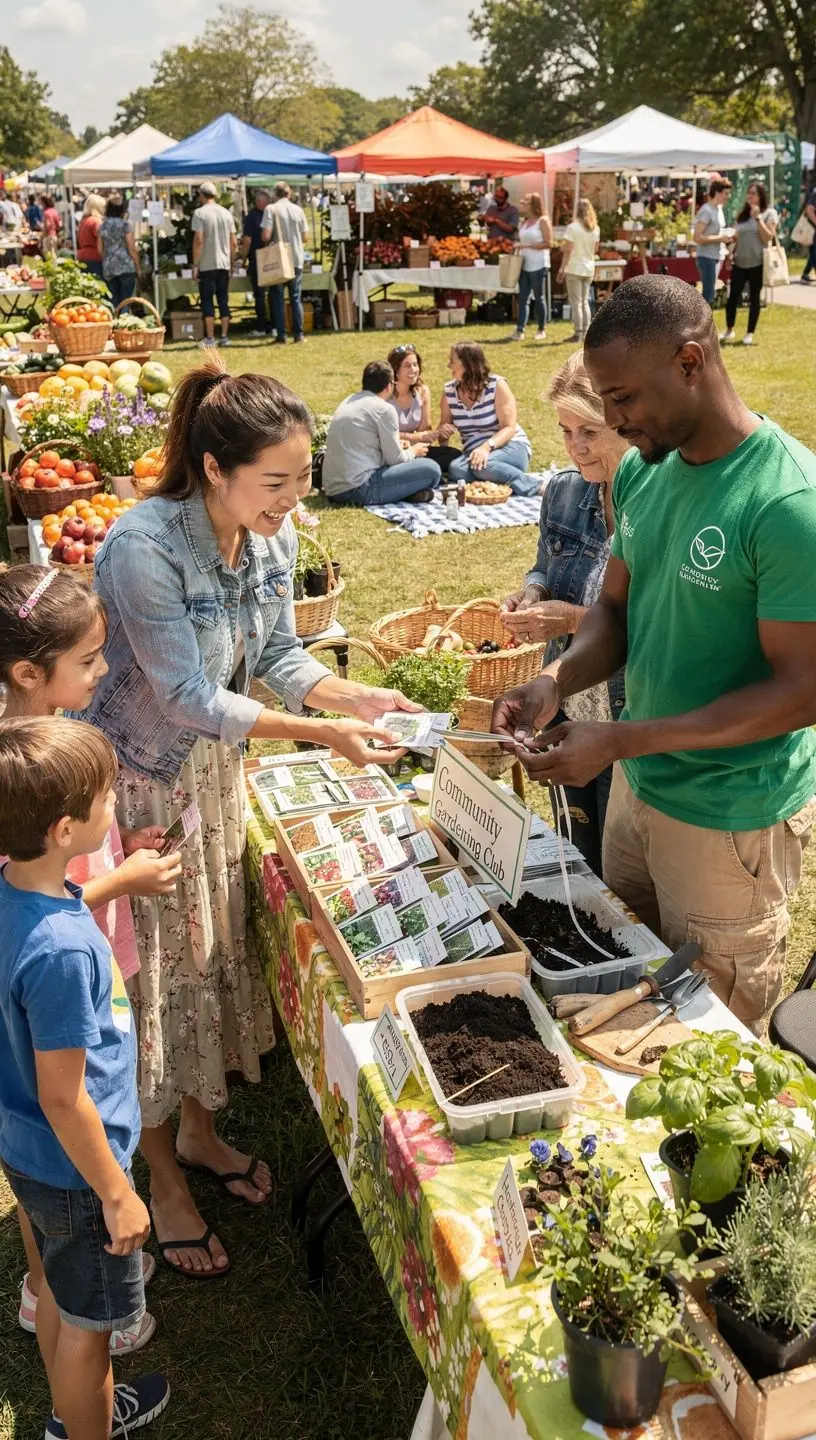
- Participate in Plant Exchanges: Engaging in plant exchange events allows members to diversify their gardens and share unique plant varieties. These events foster community spirit and collaboration among gardeners.
Acknowledging Limitations
While collaborative gardening projects can be rewarding, they typically require a commitment of time and effort. Participation may involve:
- Time Commitment: Collaborative gardening often requires regular attendance, with meetings and workdays potentially taking place weekly or monthly.
- Learning Curve: Newcomers may need to learn specific gardening techniques and protocols, which can take time to master.
- Varied Experience Levels: Some participants may have more experience, which can be intimidating; however, most groups welcome beginners and provide support.
Conclusion
Collaborative gardening projects offer a unique opportunity to engage with others while cultivating not just plants but also relationships. The insights gained from working together can lead to a deeper appreciation of gardening and the environment. By participating in these projects, individuals can enhance their gardening skills, contribute to their community, and enjoy the numerous mental and social benefits that arise from collaborative efforts. As research indicates, the advantages of community gardening extend far beyond the garden itself.
Learn More